It can be scary when a wound fails to mend as it should.
Driving to a wound care appointment adds an extra burden on top of the fear and pain. Between the pain and weakness, the limited mobility, and no means of transport, care is often put off. In the Florida Panhandle with its sprawling communities, distance is an added impediment for those who do not reside in the more populated areas.
We come to you. At Sunwave Wound Care we will see eligible patients in their private residence or at a skilled nursing facility. One of our experienced providers will make an assessment of a painful or involved wound without the patient having to make repeated arrangements for a ride.
From Pensacola, Tallahassee and Panama City to Bonifay or Carrabelle, our objective is unchanged: to put a finger on the reason for non-healing, treat it and work out a sensible plan with all concerned. Of course, availability is subject to your clinical needs, where you are located and provider coverage, so an appointment must be confirmed in advance.
Note: Sunwave Wound Care is not an emergency service nor an acute wound center. In the event of uncontrolled bleeding, a new and deep laceration, major burn, chest pain or breathing difficulties, sudden confusion, a suspected fracture, redness that is spreading quickly or any indication of sepsis, call 911 or go to closest emergency room. Our focus is on the treatment of complex, slow-to-heal, and protracted wounds.
There are times when a wound has passed the point of first aid. Mobile care is indicated if there is recurrent drainage, a wound that will not close, more discomfort than before, skin breakdown, an alteration in the odor or color of the tissue, or no headway with conventional treatment.
Many chronic wounds are the result of poor circulation, immobility, pressure, surgery, diabetes or some other medical issue. We treat a range of complicated wounds such as:
Our care team member will make a thorough evaluation. The depth, location, blood flow, risk of infection, nutrition and medications are all taken into account along with the patient’s general health.
A diabetic ulcer in Crestview might need added support from a podiatrist, whereas with a bedbound patient in Lynn Haven suffering a pressure injury, a repositioning approach with the staff and family may be in order. We provide suggestions and care to give you the fastest healing.
The Panhandle is made up of historic towns, military and college enclaves, the coast and far flung rural parts. All present their own hurdles to regular care. One might have to deal with the seasonal traffic in Destin or Panama City Beach. For a specialist in Blountstown, Chipley or Marianna it is a long drive. In Fort Walton Beach, Panama City or Pensacola it is a matter of fitting in with the schedule of the caregiver, the military or the patient’s work.
A mobile visit gives us a view of the real-world surroundings in which the healing is occurring. We can spot things a clinic would not: a wheelchair putting undue pressure on the patient, footwear chafing an ulcer, the layout of the home making elevation a problem or an absence of clean dressing supplies.
With the patient’s consent we will coordinate with the physicians, podiatrists, home-health agencies and the teams at a nursing or assisted living home. This is of particular use during a move from hospital to rehab or back home again.
Mobile care is for nonemergency wounds of a clinical nature requiring sustained attention; it is not a substitute for emergency treatment. Should a patient exhibit severe symptoms or the wound takes a turn for the worse, an emergency evaluation is called for.
Any visit from Sunwave Wound Care starts with a thorough examination. We will measure and document the wound, look at the surrounding skin and note any swelling, drainage or odor. We also take stock of the patient’s history: how the wound came about, how long it has been there, what has been done for it already and if there is vascular disease, diabetes, diminished sensation or poor circulation.
Treatment could mean debridement, cleansing, applying the right dressings, compression or simply educating the caregiver. More intractable wounds may warrant a discussion of negative-pressure therapy, grafting, skin substitutes or a referral. We are looking to see what stands in the way of healing and modify the plan accordingly. It is more than changing a dressing.
A number of things can have a bearing on progress, from the patient’s nutrition and circulation to how well blood sugar is managed. Then there are matters of pressure, moisture and the risk of infection.
Because of that, we individualize each approach. A retiree by the water in Gulf Breeze, Mexico Beach, Port St. Joe or Apalachicola has a different support system and daily rhythm than someone in an assisted living community in Tallahassee.
For military families in Niceville, Fort Walton Beach, Crestview and Pensacola, treatment has to be made to fit around exacting schedules. And in DeFuniak Springs, Bonifay, Chipley and Blountstown, mobile care is a way to offset the burden of distance in these smaller inland cities.
From the Alabama border to the Emerald Coast, through the central and Forgotten Coasts and into the Tallahassee area, the Florida Panhandle is expansive. Sunwave Wound Care will make a mobile visit if the location and clinical needs suit the provider’s schedule.
You will find coastal neighborhoods, military life, a historic downtown and the major medical resources of Pensacola. Gulf Breeze is on a narrow peninsula hemmed in by bays; Milton is more subdued along the Blackwater River. Patients here could be in a single-family home, a senior or rehab facility, or a waterfront residence. Those for whom making the trek over the bridges and throughout the metro is hard on their mobility will find mobile wound care of particular use.
Okaloosa County has its share of military and hospitality workers as well as retirees and those who put in time on the Emerald Coast. There is the bayfront of Niceville and the resort town of Destin, and inland Crestview and Fort Walton Beach. To spare the patient a long drive down some of the busier corridors, a visit at home is an option; it also allows the provider to see the patient in his or her element and evaluate the footwear, any mobility equipment, pressure surfaces and the support of the caregiver.
DeFuniak Springs, with its spring-fed lake and historic district, caters to a wide swathe of rural and inland residents. Some will put up the miles for a specialty appointment, others split their care between the coast and local providers. With chronic wounds, a mobile visit is a means of lessening the physical toll of being on the road and ensuring continuity for the right kind of patient.
Panama City is a bayfront working community with its hospitals and long-term-care settings; the environment is more tourism driven on the coast at Panama City Beach. Lynn Haven is mostly residential on North Bay. The communities are close enough, yet the traffic, the weather and seasonal visitors can make getting around a chore. Mobile wound care puts evaluation and treatment within reach at the patient’s home or facility and keeps lines of communication open with the caregivers and physicians in the area.
There is a small-town feel and a quiet shoreline in Mexico Beach. Over in Port St. Joe you have a walkable part of town and the boating that goes with St. Joseph Bay. Retirees and fishing families are drawn to this sort of unhurried coastal life. If a patient is contending with a diabetic ulcer or a lower-leg wound that will not stay healed, and regular trips to Panama City or elsewhere are out of the question, having care come to the home is worth considering.
The character of the Forgotten Coast is all its own, thanks to the fishing and boating in Carrabelle and the historic waterfront of Apalachicola. But the natural beauty of the region means services are spread out. For an older person or a family looking after a relative with a disability, the transport can become part of the burden of treatment. Where we can cover it, mobile wound care is a more workable method of seeing to the necessary assessment and oversight.
Inland you have the agricultural towns and wooded country of the Panhandle, with its freshwater springs. Marianna is the Jackson County hub and is where one would go for the Florida Caverns. Then there is Chipley near Falling Waters State Park, the rodeo country of Bonifay, and Blountstown between the Chipola and the Apalachicola. For patients in these parts, getting to an appointment is often a matter of enlisting the help of facility staff, a relative or some form of community transport. Mobile services are there to ease such logistics and put caregivers at ease with what they need to know about pressure prevention, skin checks, warning signs and the like, as well as dressing schedules.
Quincy is the historic courthouse district and with a high rural population raised in the rich agricultural past of Gadsden County. Then there is Tallahassee; as the capital of Florida it is a more substantial and diverse place, one that has been made in part by state government and the presence of Florida State and Florida A&M Universities, healthcare systems, senior-living communities and long-standing neighborhoods. The sort of care called for in either city might be anything from aiding a family with an elderly relative in their own home to the kind of coordinated treatment an assisted living or skilled nursing facility would require.
There are usually a number of people involved in the treatment of a chronic wound. A physician or advanced practice provider will have oversight of the wound while other matters are left to a podiatrist, vascular specialist, surgeon, dietitian, rehabilitation professional, home-health nurse or the team at the facility. Sunwave Wound Care does not work in a vacuum but in support of the overall plan.
With multiple caregivers in the mix, clear lines of communication are essential. It is important the patient and his or her family have an idea of what the dressing is for, the frequency of changes, how to relieve pressure and when to put in a call to the care team. Staff at the facility may have to put in new orders and documentation; another clinician might be in need of measurements or a referral if healing is not progressing.
Coverage is a function of the plan, where one is located, the service rendered and medical necessity, among other things. First Health and networks of that type impose their own stipulations. It is best for all parties to check on benefits and provider participation before any care is undertaken.
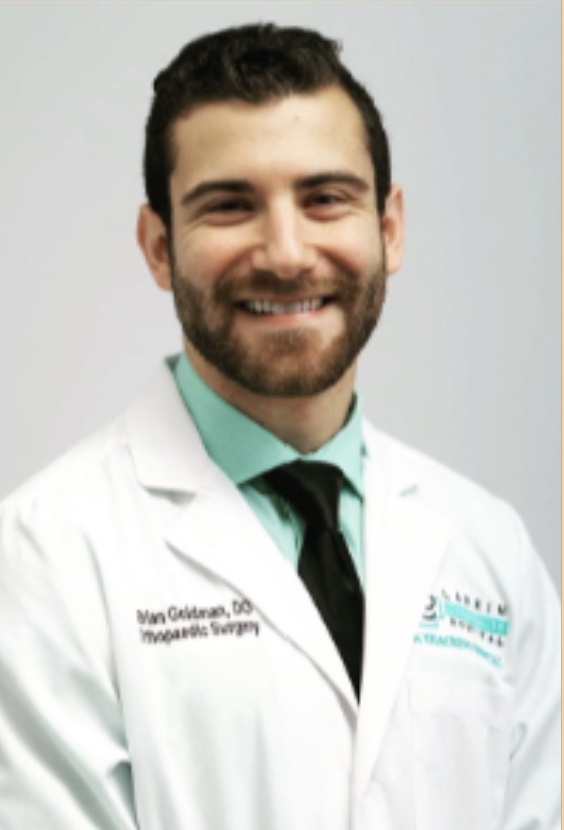
The founder and clinical lead at Sunwave Wound Care, Dr. Brian Goldman, makes it his business to provide a thorough, professional assessment of wounds to those for whom a trip to a conventional clinic is not easy. His mobile practice is built on individualized treatment and good communication with the professionals and family members who are part of a patient’s support system.
Dr. Goldman takes special interest in wounds that don’t respond to the usual course of treatment. He looks at the wound and the context of it to put together a plan that is sound from a clinical standpoint and can be followed in the patient’s everyday life.
When a wound does not heal as expected, finding the right care can feel overwhelming and travel is painful or difficult. Sunwave brings high-tech wound care to patients right where they live in Palm Springs, Florida.
Note: We are not an acute wound center. If you have just cut yourself, call 911 or go to the hospital. We specialize in treating longstanding, slow-to-heal wounds.
Speak with our team
When a wound does not heal as expected, finding the right care can feel overwhelming. Travel is painful or difficult.
A patient may have limited mobility, which both makes it harder to travel for care, and also creates more challenges with healing.
In some cases, the primary caregiver in a husband-wife couple is suffering from a wound, but cannot leave the side of their even sicker spouse. Our visits are a bright spot in their day.
Sunwave Wound Care brings high-tech wound care services to patients in Palm Springs, Florida. While we mostly visit patients in their homes and condos, we've also been called to assisted living communities and nursing homes.
Dr. Brian Goldman regularly travels through South Florida, including the Palm Springs and West Palm Beach areas, to help patients receive care where they live.
Mobile wound care is designed for slow-healing wounds. It is often appropriate for chronic wounds, and complex wounds. If your wound is staying open, draining or becoming more painful, it is time to find a wound clinic near you.
(Since we travel to you, we are likely the closest wound clinic you'll find!)
Sunwave Wound Care treats many types of wounds, including:
A wound-care visit starts with a careful assessment. We want to measure the wound and get a good baseline for what the problem is. We'll take patient history and pay careful attention to illnesses that might be affecting your blood flow.
The treatment plan may include cleansing, dressing changes and debridement. For complex wounds, the provider may discuss advanced therapies, simulated skin-grafting products and negative-pressure wound therapy.
Good wound care is not only about changing a dressing. It is about understanding why a wound is not healing. Our team should be able to explain what to watch for, empowering caregivers to know exactly what is going on and have peace of mind in the healing process. Consistent measurements and tracking creates better outcomes.
The Village of Palm Springs is a residential community in Palm Beach County and we often treat a lot of couples who chose to retire to this community. It is also connected to neighboring cities through major corridors, including Congress Avenue, Lake Worth Road, Military Trail, Forest Hill Boulevard, and Florida Mango Road, making it easy for us to incorporate it into our mobile territory.
Repeated trips to a clinic or emergency room can be exhausting for someone with pain or weakness. In-home care can allow the patient to receive professional attention in their own living room.